Nordstone is a premier choice among Hot Blast Stove and Hot Blast Main Valves manufacturers in UAE, delivering high-performance, precision-engineered thermal and flow-control solutions designed for critical high-temperature industrial applications.
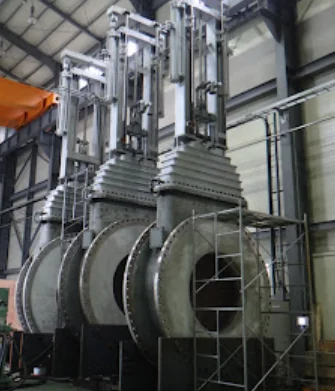
With over three decades of global manufacturing excellence and 20 years of specialized regional experience, we design and produce industrial vessels and heavy-duty valves capable of withstanding extreme thermal stress, high cyclic pressures, and corrosive environments. Strategically supporting the UAE’s expanding metallurgical, petrochemical, and heavy manufacturing sectors, our state-of-the-art facility utilizes advanced metallurgy and meticulous quality control to ensure optimal heat recovery and zero-leakage isolation.
Every hot blast stove and main valve is engineered to API, ASME, and ISO certifications, guaranteeing maximum operational safety, reduced energy consumption, and long-term mechanical reliability. Whether you require standard configurations or highly customized solutions for extreme operating conditions, our expert engineering team delivers unmatched performance across Abu Dhabi, Dubai, and the wider GCC region. Partner with our engineering experts today.
Frequently Asked Questions (FAQs)
Here are the top 15 technical and operational questions compiled to address high-intent B2B search queries, built to demonstrate deep industry expertise.
1. What are the primary functions of a Hot Blast Stove in heavy industry?
A Hot Blast Stove acts as a regenerative heat exchanger. Its primary function is to preheat ambient air into high-temperature blast air (often exceeding 1000°C) using combustion exhaust gases. This preheated air is then injected into heavy industrial processes, such as blast furnaces, drastically reducing fuel consumption and enhancing overall thermal efficiency.
2. Why are Hot Blast Main Valves critical to the system’s safety?
Hot Blast Main Valves manage the flow of extremely hot air between the stove and the process line. Because they handle high temperatures and fluctuating pressures under cyclic conditions, they are critical for isolating thermal zones, protecting downstream equipment, and ensuring the safety of personnel during maintenance shutdowns.
3. What design standards do Nordstone’s stoves and valves comply with?
All our equipment is engineered and manufactured in strict compliance with international pressure vessel and valve standards, including ASME Section VIII (Rules for Construction of Pressure Vessels), API 6D/6FA (Valve Specifications and Fire Test Standards), and ISO 9001:2015 quality management protocols.
4. Which materials are used to withstand extreme thermal environments?
We utilize premium-grade, heat-resistant alloys and high-strength carbon steels, such as ASTM A516 Gr 70 for vessel shells, alongside advanced nickel alloys or specialized stainless steels (e.g., 310 or 321 SS) for internal component areas exposed to direct thermal shock. Internal refractory linings are custom-specified based on the thermal profile.
5. Can Nordstone customize Hot Blast Main Valves for corrosive or high-pressure applications?
Yes. Backed by 20 years of regional experience, our engineering team customizes internal valve trim, gate mechanisms, and cooling jackets to resist hot gas corrosion, high cyclic pressures, and abrasive particulate erosion common in heavy industrial exhaust.
6. How do water-cooled Hot Blast Main Valves improve operational lifespan?
Because temperatures can exceed 1000°C, uncooled metal components would suffer rapid thermal fatigue and warping. Our valves feature integrated, high-efficiency water-cooling channels inside the valve seat and gate, which maintains the base metal’s temperature well below its critical deformation threshold, significantly extending its service life.
7. What types of actuating mechanisms are available for your industrial valves?
We offer fully integrated automation solutions based on project requirements, including heavy-duty hydraulic actuators for rapid, high-torque sealing, pneumatic actuators for reliable fail-safe operations, and electric multi-turn actuators compatible with modern plant DCS (Distributed Control Systems).
8. How does Nordstone ensure quality control during the manufacturing process?
Our meticulous quality control protocol includes non-destructive testing (NDT) such as Radiographic Testing (RT), Ultrasonic Testing (UT), and Magnetic Particle Testing (MT) on all critical weld joints, followed by rigorous hydrostatic and pneumatic pressure testing to verify zero-leakage and structural integrity before shipment.
9. What industries in the UAE benefit most from Hot Blast Stoves and Valves?
These systems are vital for the UAE’s primary metals processing plants (iron, steel, and aluminum smelting), large-scale petrochemical refining facilities, industrial incinerators, and specific high-capacity clean-energy generation processes requiring massive thermal energy recovery.
10. How does Nordstone support the UAE’s sustainability and energy efficiency goals?
By optimizing the thermal efficiency of our Hot Blast Stoves and ensuring zero-leakage via our Main Valves, industrial plants can recapture waste heat and lower their fuel gas consumption. This directly reduces carbon emissions per ton of product, aligning perfectly with the UAE’s Net Zero strategic initiatives.
11. What is the expected operational lifespan of a Nordstone Hot Blast Valve?
With regular preventative maintenance and adhering to designed cooling-water parameters, our robustly engineered valves are built for an operational lifespan of 10 to 15+ years under severe cyclic conditions before requiring major rebuilding or structural component replacements.
12. Does Nordstone offer on-site inspection and testing services in the UAE?
Yes. Our regional team of expert engineers provides complete field support across the UAE, including installation supervision, pre-commissioning alignment checks, hydrostatic field testing, and thermal imaging inspections to identify refractory or seal degradation.
13. How do you handle thermal expansion in the design of Hot Blast Stoves?
Thermal expansion is a major challenge in high-temperature systems. We incorporate strategically placed expansion joints, flexible metallic bellows, and floating internal refractory structures that allow the vessel and piping to expand and contract without introducing catastrophic mechanical stress into the shell welds.
14. What are the signs that a Hot Blast Main Valve needs immediate maintenance?
Key indicators include a drop in downstream blast temperature (indicating leakage), visual hot spots on the uncooled exterior valve body, fluctuations or drops in the internal water-cooling pressure, or an increase in the torque required by the actuator to achieve a full seal.
15. How can we initiate a custom design or replacement quote with Nordstone?
You can collaborate directly with our engineering department by detailing your operational temperatures, pressures, gas compositions, and space constraints. To submit your technical specifications or request an engineering consultation, visit our dedicated portal to contact us.